Skip to content
Bunbury Tree Removal Services

Bunbury WA

Dead & Dangerous Tree Removal in Bunbury, WA for Residential & Commercial

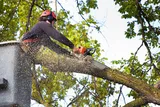
Dead and dangerous tree removal in Bunbury is one of our core services at Bunbury Tree Removal Services, backed by more than 20 years of tree work experience. We provide dead tree removal, hazardous tree removal, leaning tree removal, storm-damaged tree removal, split and structurally damaged tree removal, and dangerous branch and limb removal for residential and commercial properties throughout Bunbury and surrounding areas.

Dead, declining and structurally unstable trees can pose a risk to homes, roofs, vehicles, fences, driveways and people, particularly during Bunbury’s strong winds and winter storms. We assess the tree’s condition, trunk, canopy, lean and surrounding property before selecting an appropriate removal method, which may include controlled felling, sectional dismantling, climbing or rigging for difficult trees.

Concerned about a dead or dangerous tree? Get a fast, free tree assessment and removal quote in Bunbury today.

Get a free quote

Or call 0428 435 318

Why choose us

Why Choose Dead & Dangerous Tree Removal in Bunbury

  1. 20+ Years Experience

    Over 20 years of experience providing reliable tree removal, lopping and pruning services throughout Bunbury WA.

  2. Fully Insured

    Our fully insured tree removal services give Bunbury homeowners and businesses confidence that their property is protected throughout the job.

  3. Qualified Professionals

    Our qualified arborists and tree specialists use professional equipment and proven techniques to safely manage everything from routine pruning to large and difficult tree removals.

  4. Fast Free Quotes

    Get a fast, free tree removal quote in Bunbury with straightforward pricing, practical advice and no hidden surprises.

Services

Dead & Dangerous Tree Removal Services

Dead Tree Removal

Dead trees can lose branches without warning as timber decays and internal strength declines. They may also attract termites, fungi, and other pests, while damaged roots can reduce stability near homes, fences, driveways, and powerlines.

We inspect the trunk, crown, root zone, and surrounding area before recommending removal. Our assessment considers the tree’s size, condition, lean, access restrictions, and nearby structures.

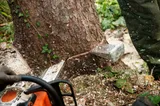
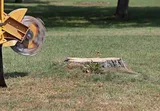
We use controlled cutting and lowering methods where falling timber could damage property. We can also cut the trunk into manageable sections, remove branches and debris, and arrange stump grinding or stump removal when required.
More about dead tree removal

Hazardous Tree Removal

A hazardous tree presents a realistic risk because of decay, unstable roots, major cracks, weak branch unions, or a position close to people and property. We address the specific source of risk rather than relying on appearance alone.

Our arborist-style assessment examines visible defects and the tree’s surroundings. We identify targets such as houses, sheds, roads, vehicles, footpaths, and service lines, then plan a removal method that limits exposure to those areas.

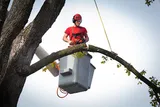
Depending on the site, we may use ropes, rigging, elevated access equipment, or sectional dismantling. We discuss the work scope, access requirements, waste handling, and any practical safety restrictions before beginning.

Leaning Tree Removal

A leaning tree does not always require removal, but a sudden or increasing lean can indicate root failure, soil movement, trunk damage, or uneven structural growth. Trees leaning toward buildings, roads, or frequently used areas require prompt assessment.

We examine whether the lean has developed recently and check for lifted soil, exposed roots, cracks, cavities, and movement at the base. We also consider the tree species, canopy weight, ground conditions, and wind exposure.

If removal provides the safest option, we use controlled dismantling rather than allowing the tree to fall freely. We can remove the timber and branches from the site and discuss stump treatment to reduce future trip hazards and regrowth.

Storm-Damaged Tree Removal

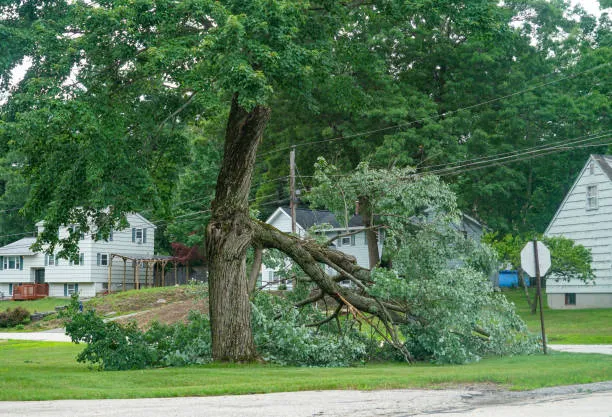
Strong winds and severe weather can leave trees with hanging branches, split trunks, uprooted roots, or partially detached limbs. Damaged trees may remain unstable after the storm, even when they appear upright.

We prioritise immediate hazards that threaten people, buildings, access routes, and vehicles. Keep clear of suspended branches and damaged trees until we assess them, particularly when powerlines or fallen electrical cables are nearby.

Our storm response may include removing broken limbs, dismantling unstable sections, or taking down the entire tree. We work around restricted access and can clear branches, logs, and storm debris as part of the agreed service.

Split & Structurally Damaged Tree Removal

Splits, cavities, severe cracks, included bark, and weak branch unions can reduce a tree’s ability to support its own weight. Damage may occur in the trunk, major limbs, root flare, or crown, and some defects become more dangerous during wind or rain.

We inspect the location and extent of the damage, along with the direction of loading and nearby targets. In suitable cases, pruning or support work may reduce the risk, but extensive structural damage can make removal the safer option.

We dismantle affected trees in sections when space is limited. Rigging allows us to control the movement of heavy timber and reduce impact on gardens, roofs, fences, paving, and other nearby assets.

Dangerous Branch & Limb Removal

Dead, hanging, cracked, or poorly attached branches can fall without warning. Large limbs over roofs, driveways, play areas, footpaths, and outdoor living spaces deserve particular attention because even a single failure can cause injury or property damage.

We identify weak unions, excessive end weight, storm breaks, deadwood, and branches rubbing against structures or other limbs. We then remove the affected material using suitable pruning cuts and controlled lowering methods.

We avoid unnecessary cutting that could leave larger wounds or weaken the tree further. Where practical, we retain healthy structure and remove only the branches creating the identified risk. We can chip smaller branches, remove larger sections, and leave usable firewood when requested.

How Do I Know if a Tree Is Dangerous and Needs Removing?

We assess trees for visible defects, their surroundings, and the likelihood of failure. A tree may require urgent attention if it shows:

  • Large dead or hanging branches, especially above roofs, paths, driveways, or play areas
  • A sudden or pronounced lean, raised soil, or movement around the root plate
  • Cracks, splits, cavities, or hollow sections in the trunk or major limbs
  • Fungal growth at the base, soft wood, or signs of decay
  • Loose, damaged, or exposed roots
  • Dead or sparse foliage during the growing season
  • Broken branches or structural damage after storms

These signs do not always mean removal provides the only solution. We may recommend pruning, cabling, treatment, or monitoring when the tree remains stable and manageable. However, trees near buildings, roads, power lines, or frequently used areas need prompt professional assessment.

Avoid climbing or cutting a suspected hazardous tree yourself. We can inspect the trunk, crown, roots, and surrounding targets, then explain whether removal is necessary and plan the work safely. If a tree has split, is leaning quickly, or has fallen branches near power lines, keep people away and contact the relevant utility provider before arranging work.

How Much Does Dangerous Tree Removal Cost in Bunbury?

In Bunbury, dangerous tree removal costs vary according to the tree’s height, condition, position, and access. A straightforward removal may cost several hundred dollars, while large, unstable, or restricted-site removals can cost several thousand dollars. We provide a written quote after assessing the tree and surrounding hazards.

Cost factorWhy it affects the price
Tree size and diameterLarger trees require more cutting, equipment, and crew time.
Structural damage or instabilityUnsafe trees need additional planning and controlled dismantling.
Location and accessBuildings, fences, powerlines, roads, and limited vehicle access increase labour and equipment needs.
Waste and stump workRemoval, wood chipping, hauling, and stump grinding may be priced separately.
Crane or traffic controlSpecialist equipment and road management add to the project cost.

Emergency work may cost more when it requires urgent attendance, after-hours labour, or specialised equipment. We also check whether permits, utility coordination, or local restrictions apply before starting work.

Our quote can include dismantling the tree, lowering branches safely, removing timber and debris, and optional stump grinding. We recommend comparing itemised quotes from insured, qualified tree professionals rather than choosing on price alone.

Should a Dead Tree Be Removed Straight Away?

A dead tree does not always require immediate removal, but we recommend arranging a professional assessment promptly. Dead wood becomes brittle over time, increasing the chance of falling branches or tree failure, particularly during strong winds and storms.

We prioritise removal when the tree stands near:

  • Homes, sheds, fences, or powerlines
  • Driveways, roads, or areas where people gather
  • Play areas, footpaths, or neighbouring properties
  • Other valuable trees or structures

A tree may need urgent attention if it leans, has large dead branches, shows extensive decay, has cracked limbs, or has exposed roots. Fungal growth, hollow sections, loose bark, and recent storm damage can also indicate structural problems.

In Bunbury, dry conditions and bushfire risk may increase the concern posed by dead trees, as they can provide combustible material. We assess the tree, its surroundings, access requirements, and potential targets before recommending removal or other work.

Do not cut down a dangerous dead tree yourself. Large trees can fall unpredictably, and cutting near buildings or powerlines creates serious risks. Our team at Bunbury Tree Removal Services can inspect the tree and arrange safe removal when its condition or location makes it hazardous.

Bunbury tree removal approval

Do I Need Council Approval to Remove a Dangerous Tree in Bunbury?

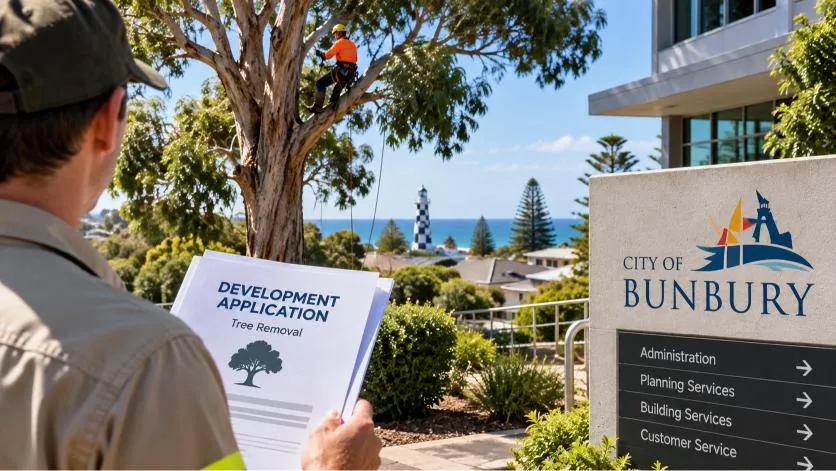
In Bunbury, approval may be required before we remove or heavily prune a tree, even if it appears dead, unstable, or dangerous. The rules can depend on the tree’s location, size, species, heritage status, and whether it stands on private or public land.

We should check the City of Bunbury’s current tree management requirements before arranging work. A dangerous condition does not automatically remove the need for approval, particularly when the tree is protected or forms part of a development site.

SituationWhat we should do
Tree on private propertyConfirm whether council approval or an exemption applies
Immediate risk to people or propertyContact the City of Bunbury promptly and document the hazard
Tree on a verge, road reserve, or public landReport it through the City’s community reporting portal
Tree affected by development controlsCheck planning or heritage requirements before removal

We can inspect the tree and provide photographs, measurements, and an arborist assessment to support an application where needed. Bunbury Tree Removal Services can also help identify urgent hazards and explain the practical steps before work begins.

If the tree presents an immediate danger, keep people and vehicles away from the area and contact the relevant emergency or council service. We should not cut, climb, or destabilise the tree while waiting for approval or professional assistance.

How it works

How Does Our Dead & Dangerous Tree Removal Process Work?

  1. 01

    Assess the Tree & Surrounding Property

    We inspect the tree’s condition, trunk, canopy, lean and root area, along with nearby buildings, fences, driveways and powerlines. We also determine whether complete removal is necessary or whether targeted pruning could safely manage the problem.

  2. 02

    Identify Hazards & Plan the Removal

    We identify hazards such as dead limbs, trunk cracks, decay, storm damage, root movement and uneven weight distribution. Based on the assessment, we select the appropriate removal method and equipment for the site.

  3. 03

    Secure & Prepare the Work Area

    Before cutting begins, we establish a controlled work zone and keep people, vehicles and unnecessary traffic clear. We also plan how branches and timber will be managed around homes, gardens, fences and other structures.

  4. 04

    Remove Dangerous Branches & Tree Sections

    Unstable branches are removed in a controlled sequence before larger sections of the tree are dismantled. Depending on the tree and available space, we may use climbing, rigging, sectional dismantling or elevated-access equipment.

  5. 05

    Remove the Trunk & Process Debris

    The remaining trunk is progressively removed or safely felled where sufficient space allows. Branches and timber are then cut, chipped or removed from the property according to the agreed service.

  6. 06

    Stump Options, Clean-Up & Final Safety Check

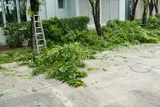
    We complete a final inspection, remove agreed debris and check the area for remaining hazards. Stump grinding or complete stump removal can also be arranged if you want the area prepared for landscaping, lawn, paving or replanting.

Reviews

Questions

Dead & Dangerous Tree Removal FAQs

Can’t see your question? Call the team for a free quote.

Call 0428 435 318

How can I tell if a tree is dead, dangerous or at risk of falling?

Warning signs include dead branches, cracked or splitting limbs, loose bark, fungal growth, cavities, leaning, exposed roots and movement in the soil. A tree that suddenly changes position after strong wind or heavy rain requires prompt assessment.

We inspect the trunk, branch structure, root zone and surrounding hazards. Do not climb or cut a tree that shows these signs, particularly when it stands near a home, road, fence or powerline.

What does it cost to remove a dangerous tree in Bunbury?

The price depends on the tree’s size, condition, location, access, removal method and the amount of cutting required. Work near buildings, fences or powerlines may require sectional dismantling, specialised equipment and additional safety controls.

We provide a site-specific quote after assessing the tree and surrounding property. The quote can include removal, cutting, stump grinding and debris disposal where requested.

Do I need council approval to remove a dead or hazardous tree in Bunbury, WA?

Approval requirements can vary between local government areas and may depend on the tree’s species, size, location and protection status. A dead or dangerous tree may still require documentation or council approval before removal.

We recommend checking with the relevant Bunbury-area council before work begins. We can identify visible risks and help clarify what information may support an application, but the council determines approval requirements.

Can you safely remove a tree that is close to a house, powerlines or fence?

We can assess confined sites and choose a suitable method, such as climbing, rigging or sectional dismantling. Cutting the tree into controlled sections helps protect nearby structures and limits the risk of uncontrolled falling branches.

We do not work directly on energised powerlines. Where electrical lines create a hazard, we coordinate the required safety arrangements with the network operator or an appropriately authorised contractor.

What happens to the tree debris after a dangerous tree is removed?

We can cut larger timber into manageable sections, remove branches and process suitable material into mulch. We can also arrange stump grinding and remove the resulting material when included in the quote.

If you want to retain firewood, logs or mulch, tell us before work starts. Otherwise, we clear the agreed debris from the site and leave the work area in the condition described in our quote.

Do you provide emergency tree removal after storms or when a tree has fallen?

We respond to storm-damaged and fallen trees when access and site conditions allow safe work. We first identify hazards such as unstable limbs, damaged trunks, blocked access and nearby powerlines.

If a tree has contacted powerlines, stay away and contact the electricity network operator or emergency services. Once the area is safe, we can assess the tree, remove obstructions and arrange further cutting, stump work or debris disposal.

Call 0428 435 318