Skip to content
Bunbury Tree Removal Services

Bunbury WA

Tree Pruning Service in Bunbury

Tree pruning in Bunbury is one of our core services at Bunbury Tree Removal Services, backed by more than 20 years of tree work experience. We provide deadwood pruning, canopy reduction, crown thinning, structural tree pruning, overhanging branch pruning, and building and powerline clearance pruning for residential and commercial properties throughout Bunbury and surrounding areas.

We selectively remove dead, damaged, poorly positioned and overgrown branches to improve tree structure, maintain clearance and reduce potential hazards around homes and properties. This page explains our tree pruning services and process, pricing factors, the difference between tree pruning and tree lopping, council considerations, and the common signs that your trees may need professional attention.

Need a tree pruned? Get a fast, free tree pruning quote in Bunbury today.

Get a free quote

Or call 0428 435 318

Why choose us

Why Choose Tree Removal Bunbury

  1. 20+ Years Experience

    Over 20 years of experience providing reliable tree removal, lopping and pruning services throughout Bunbury WA.

  2. Fully Insured

    Our fully insured tree removal services give Bunbury homeowners and businesses confidence that their property is protected throughout the job.

  3. Qualified Professionals

    Our qualified arborists and tree specialists use professional equipment and proven techniques to safely manage everything from routine pruning to large and difficult tree removals.

  4. Fast Free Quotes

    Get a fast, free tree removal quote in Bunbury with straightforward pricing, practical advice and no hidden surprises.

Services

Our Tree Pruning Services

Deadwood Pruning

Deadwood pruning removes dead, dying or broken branches that could fall without warning. These branches often develop after storms, drought, disease, insect damage or natural ageing, and they can damage roofs, vehicles, fences or people below.

We inspect the canopy and identify branches with weak attachments, cracks, decay or loose bark. We then remove the affected wood back to a suitable branch union, avoiding unnecessary cuts into healthy tissue.

Removing deadwood also improves visibility through the canopy and allows us to identify developing problems. We take care not to remove more live growth than necessary, because excessive pruning can stress a tree and encourage weak regrowth. We also clear and dispose of cut material from the work area.
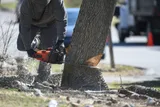
Canopy Reduction

Canopy reduction decreases a tree’s overall height or spread when it has outgrown its location. We may recommend this service when branches extend toward a building, obstruct access, create excessive shade or place additional weight on weak limbs.

We reduce the canopy by cutting back to suitable lateral branches that can continue the direction of growth. We avoid indiscriminate topping, which leaves large stubs, damages the tree’s natural form and can produce poorly attached shoots.

Before pruning, we assess the tree’s structure and determine how much growth we can remove safely in one visit. Where substantial reduction is needed, staged pruning may protect the tree from unnecessary stress. We also consider the tree’s species, season, health and proximity to buildings or other targets.

Crown Thinning

Crown thinning selectively removes a limited number of smaller branches throughout the canopy. This can improve light penetration, air movement and visibility while preserving the tree’s natural height and shape.

We distribute cuts evenly rather than clearing one section of the canopy. Uneven thinning can affect the tree’s balance and encourage concentrated regrowth. We retain major limbs and healthy structural branches, removing only those that are crossing, crowded, damaged or poorly positioned.

Crown thinning does not mean stripping out the centre of the tree or removing large quantities of foliage. Excessive thinning can expose branches and bark to harsh sunlight, increase stress and reduce the tree’s ability to produce energy. We set the pruning extent according to the tree’s condition and the site’s requirements.

Structural Tree Pruning

Structural pruning improves the arrangement and strength of a tree’s main branches. We commonly perform this work on young trees, recently established trees and mature trees with competing leaders, narrow branch unions or branches growing toward targets.

We identify the central leader, dominant scaffold branches and areas where limbs may rub or develop weak attachments. We may remove selected competing shoots, reduce heavy end growth or shorten branches that are likely to become unstable as they mature.

Early structural pruning can prevent larger corrective cuts later. On mature trees, we work conservatively because large wounds may close slowly. We do not remove healthy branches simply to create an artificial shape; we focus on reducing foreseeable structural problems while retaining the tree’s natural form.

Overhanging Branch Pruning

Overhanging branches can interfere with driveways, footpaths, roofs, fences, gardens and outdoor living areas. They may also drop leaves, fruit or small branches onto frequently used spaces.

We prune branches back to suitable growth points while maintaining a balanced canopy. When a branch extends over a boundary, we assess the tree’s structure and the requested clearance rather than cutting it at the property line without regard to its health.

We check for clearance above vehicles, pedestrian routes and access points, allowing for future growth where practical. If the branch is large, damaged or difficult to access, we use controlled lowering methods to protect nearby property. We also remove resulting debris and leave the work area tidy.

Building & Powerline Clearance Pruning

Branches near buildings can rub against roofs, gutters, walls and windows, causing damage during wind or storms. We create practical clearance by selectively pruning branches that contact or approach structures, while avoiding cuts that unnecessarily weaken the canopy.

Powerline pruning requires particular care. We do not work within electrical exclusion zones unless the work meets applicable safety requirements and involves the appropriate network operator or qualified personnel. Electricity can arc across gaps, so branches near live lines present a serious risk even without direct contact.

We assess the line location, tree movement, access conditions and required clearance before quoting the work. Where the tree has grown into or around powerlines, we may recommend coordination with the electricity distributor or a suitably authorised line-clearance contractor. We keep people, equipment and cut material away from electrical hazards throughout the job.

How Do I Know If My Tree Needs Pruning or Lopping?

We recommend inspecting your trees regularly for signs that branches need attention. Look for:

  • Dead, broken, hanging, or diseased branches
  • Branches that rub against each other
  • Dense growth that blocks light or airflow
  • Limbs touching roofs, fences, vehicles, or power lines
  • Branches growing toward buildings or obstructing driveways
  • Weak forks, cracks, cavities, or visible signs of instability

Pruning removes selected branches to improve tree structure, clearance, health, and safety. It may involve removing deadwood, reducing overextended limbs, or thinning crowded growth. We assess the tree’s species, condition, location, and surrounding risks before recommending the appropriate cuts.

Lopping involves removing larger sections of branches or reducing the canopy. It can damage a tree when performed excessively or without a clear purpose, so we use suitable arboricultural methods instead of indiscriminate cutting.

Trees near power lines require particular care. Do not attempt to cut these branches yourself; contact the relevant utility provider and a qualified arborist. At Bunbury Tree Removal Services, we can inspect the tree and explain whether pruning, selective reduction, or removal offers the safest option.

How Much Does Tree Pruning Cost in Bunbury?

Tree pruning in Bunbury commonly costs about $325 to $2,200 per tree. We determine the likely price after assessing the tree’s height, canopy size, branch condition, access, and the work required.

Pruning workTypical cost factors
Light trimmingSmall trees, easy access, limited branches
Structural pruningLarger canopies, weak unions, or uneven growth
Deadwood or hazard pruningDiseased, damaged, or unstable branches
Complex pruningRestricted access, nearby buildings, power lines, or heavy limbs

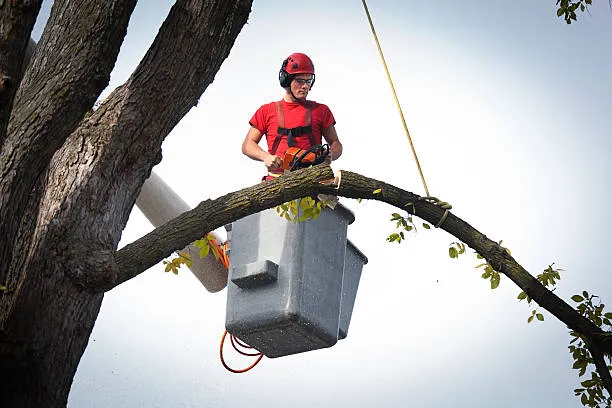
We may charge more when the job requires climbing, elevated work platforms, traffic control, specialised equipment, or additional workers. Storm damage, disease, and extensive deadwood can also increase the time and safety requirements.

Our quotes include the agreed pruning work and can account for branch removal, site clean-up, and disposal. We inspect each tree before providing a price, so we can recommend suitable pruning rather than unnecessary cutting. Contact Bunbury Tree Removal Services for an itemised quote based on your property and tree-care needs.

Bunbury tree removal approval

Do I Need Council Approval to Prune a Tree in Bunbury?

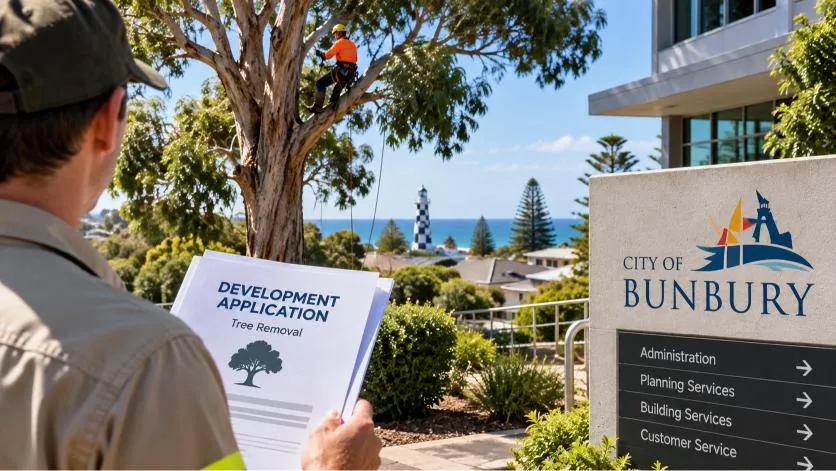
Council approval may be required before pruning a tree, particularly if it grows on a verge, road reserve, public land, or another area managed by the City of Bunbury. Residents should not prune or remove City-managed trees themselves. The City states that it does not support residents pruning these trees because of injury risks and the potential spread of tree disease.

Trees on private property may also have protection under local planning, heritage, or tree-retention controls. Requirements can depend on the tree’s location, species, size, condition, and whether the property falls within a regulated area. We recommend checking the City of Bunbury’s current requirements before any work begins.

Tree locationRecommended action
Private propertyCheck whether local protections or approvals apply
Verge or street reserveContact the City before pruning
Near powerlinesContact the electricity network and use qualified professionals
City-managed landReport the issue through the City’s community portal

We can help assess the tree and identify whether it appears to be on private land or within a public reserve. Bunbury Tree Removal Services can then provide pruning advice and arrange suitable work, subject to any required council approval.

How it works

How Does Our Tree Pruning Process Work?

  1. 01

    On-Site Tree Assessment

    We inspect the tree’s species, size, condition and structure, along with nearby buildings, fences, driveways, gardens and other potential hazards. This helps us determine what pruning is required and the safest way to complete the work.

  2. 02

    Identify the Right Pruning Method

    We identify which branches need attention and select the appropriate technique, whether that involves deadwood pruning, crown thinning, canopy reduction, structural pruning or clearance pruning.

  3. 03

    Plan Access & Prepare the Work Area

    Before pruning begins, we assess equipment access and establish a safe working area around the tree. We also consider nearby structures, property boundaries and any applicable powerline or council requirements.

  4. 04

    Prune & Manage the Canopy

    Our team selectively removes dead, damaged, diseased, crossing or hazardous branches while maintaining the tree’s natural structure. Where required, we can reduce excessive growth and improve clearance around roofs, buildings, driveways and other structures

  5. 05

    Safely Lower & Remove Branches

    Larger branches are carefully cut and controlled to minimise the risk of damage to gardens, fences, roofs and surrounding property. Appropriate climbing, rigging or elevated-access equipment can be used for larger or difficult-to-access trees.

  6. 06

    Final Inspection & Site Clean-Up

    Once pruning is complete, we inspect the tree and work area before removing cut branches, leaves and loose debris. We leave the site tidy and can recommend any further tree maintenance where required.

Reviews

Questions

Tree Pruning Frequently Asked Questions

Can’t see your question? Call the team for a free quote.

Call 0428 435 318

What tree pruning services do you offer in Bunbury?

We prune trees to remove dead, damaged, diseased, or hazardous branches and improve clearance from roofs, driveways, buildings, fences, and power lines. Our services can include crown thinning, crown reduction, formative pruning, canopy shaping, and removal of branches that create safety risks.

We inspect the tree and surrounding area before recommending the appropriate method. We avoid unnecessary pruning because excessive cutting can weaken a tree and encourage poor regrowth.

How much does professional tree pruning cost?

The price depends on the tree’s size, species, condition, branch density, access, equipment requirements, and proximity to buildings or power lines. Disposal, traffic control, and difficult site conditions can also affect the quote.

We provide a site-specific quote after assessing the work. We recommend comparing written quotes that clearly state the pruning scope, green-waste removal, stump-related services, access requirements, and any additional charges.

When is the best time of year to prune trees in Bunbury?

The best timing depends on the tree species, its health, the pruning objective, and the urgency of the work. We can remove hazardous or dead branches at any time, while structural pruning often suits periods of active growth or dormancy, depending on the species.

We avoid heavy pruning during extreme heat, severe weather, or periods when the tree faces additional environmental stress. Our arborists select a suitable approach for Bunbury’s local conditions and the specific tree.

Do I need council approval to prune a tree on my property?

Approval requirements vary between local government areas and can depend on the tree’s species, size, location, heritage status, and whether it qualifies as significant vegetation. Properties in Bunbury may fall under City of Bunbury or another nearby local government authority, so requirements can differ by address.

We recommend checking with the relevant council before pruning a protected or significant tree. We can help identify potential approval issues, but the property owner remains responsible for obtaining any required permit.

Can you safely prune large or overhanging branches?

Yes. We can prune large or overhanging branches after assessing their weight, attachment points, decay, movement, nearby structures, and access conditions. We use suitable climbing, rigging, lowering, and ground-control methods to manage branches in confined spaces.

Power lines require special care. We maintain appropriate clearances and coordinate with qualified utility providers when electrical infrastructure affects the work.

What happens to the branches and green waste after pruning?

We can cut branches into manageable pieces, chip suitable material on site, and remove the resulting green waste when included in the quote. We may leave clean wood or mulch on the property if you request it and the site is suitable.

We discuss disposal options before work begins so the quote reflects your preferred outcome. We also leave the work area tidy and remove material that could obstruct paths, driveways, or access points.

Call 0428 435 318