Skip to content
Bunbury Tree Removal Services

Bunbury WA

Tree Lopping in Bunbury, WA

Tree lopping in Bunbury is one of our core services at Bunbury Tree Removal Services, backed by more than 20 years of tree work experience. We provide professional tree lopping, large branch removal, canopy reduction, overhanging branch removal, building and roof clearance, deadwood removal, and storm-damaged branch removal for residential and commercial properties throughout Bunbury and surrounding areas.

We assess each tree’s size, condition, structure and location before deciding how much growth should be removed and whether lopping, selective pruning or another approach is more appropriate. Our team can manage overgrown, damaged and poorly positioned branches around roofs, gutters, driveways, fences, sheds and property boundaries, while taking care to avoid unnecessary damage to the remaining tree.

Need an overgrown or problem tree cut back? Get a fast, free tree lopping quote in Bunbury today.

Get a free quote

Or call 0428 435 318

Why choose us

Why Choose Us for Tree Lopping in Bunbury

We combine local tree knowledge, controlled work methods, suitable equipment, and thorough cleanup. Our approach helps protect people, nearby structures, and the condition of the remaining tree.

  1. 20+ Years Experience

    Over 20 years of experience providing reliable tree removal, lopping and pruning services throughout Bunbury WA.

  2. Fully Insured

    Our fully insured tree removal services give Bunbury homeowners and businesses confidence that their property is protected throughout the job.

  3. Qualified Professionals

    Our qualified arborists and tree specialists use professional equipment and proven techniques to safely manage everything from routine pruning to large and difficult tree removals.

  4. Fast Free Quotes

    Get a fast, free tree removal quote in Bunbury with straightforward pricing, practical advice and no hidden surprises.

Services

Bunbury Tree Lopping Services

Overhanging Branch Removal

Overhanging Branch Removal

We remove branches extending over homes, sheds, driveways, fences, paths, and neighbouring areas. Overhanging limbs can scrape roofing, block gutters, drop leaf litter, or create a risk during strong winds.

We identify the appropriate pruning point rather than cutting branches back randomly. This approach helps retain the tree’s natural form while removing the part that creates the problem.

Large Limb Removal

Large Limb Removal

Large limbs require careful planning because their weight and leverage can cause damage if they fall uncontrolled. We inspect the limb for decay, cracking, weak unions, and its proximity to buildings, powerlines, vehicles, and fences.

Where access allows, we dismantle heavy limbs in manageable sections instead of attempting a single cut. Ropes and lowering methods can help us guide sections away from vulnerable areas.

Deadwood Removal

Deadwood Removal

Dead branches can fail without warning, particularly after wind, heavy rain, or extended dry conditions. We remove deadwood from residential and commercial trees where it hangs above people, structures, parking areas, and regular access routes.

Our team distinguishes deadwood from dormant or stressed growth before pruning. We check for loose bark, fungal growth, cracks, hollow sections, and broken branch attachments that may affect how the limb is removed.

Canopy Reduction

Canopy reduction reduces the spread or height of selected parts of a tree without stripping it back excessively. We use targeted cuts to shorten branches to suitable lateral growth, helping preserve a more natural outline.

This service may suit trees that have become too close to buildings, shade solar panels, catch excessive wind, or extend beyond their available space. We assess the tree species, age, condition, and existing branch structure before deciding how much material to remove.

Building & Roof Clearance

Branches rubbing against roofs, gutters, walls, verandas, or windows can damage surfaces over time. We create practical clearance around buildings while retaining as much healthy canopy as possible.

We consider branch movement in wind, not only its current position. A limb that sits clear of a roof on a calm day may still strike tiles, gutters, or cladding during storms.

Storm-Damaged Branch Removal

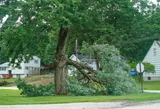
Storms can leave branches cracked, hanging, split, or partly detached from the tree. These limbs may remain unstable even when they appear supported by nearby branches or a building.

We inspect the damage from the ground before accessing the canopy. Our assessment considers broken unions, twisted limbs, exposed cavities, root disturbance, and the likelihood of further branch failure.

How Much Does Tree Lopping Cost in Bunbury?

Tree lopping costs in Bunbury depend on the tree’s size, access, condition, and the work required. We provide a written quote after assessing the site, so you know what the job includes before work starts.

ServiceTypical factors affecting cost
Light pruning or shapingBranch volume, height, and disposal
Large branch removalRigging needs, proximity to buildings, and access
Full tree removalTree diameter, height, hazards, and equipment
Stump grindingStump size, root spread, and site access
Emergency workUrgency, storm damage, and safety controls

Small, accessible pruning jobs may cost less than work on tall or hazardous trees. Industry pricing guides for Bunbury show some basic services from around $50, but this figure does not represent complex removals, climbing work, or large-scale green-waste removal.

We consider whether branches sit near powerlines, roofs, fences, driveways, or neighbouring properties. Restricted access may require climbing, rigging, elevated work platforms, or additional labour.

Our quote can include branch removal, chipping, green-waste disposal, and stump grinding where requested. We will also identify any approvals or safety requirements that may apply before we begin.

Tree Lopping Bunbury

What Is the Difference Between Tree Lopping and Pruning?

Pruning removes selected branches to improve a tree’s structure, health, clearance, or safety. We make precise cuts at suitable growth points and retain the tree’s natural form where possible.

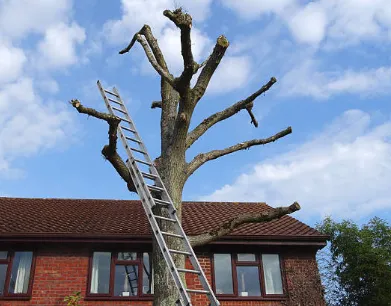
Lopping involves removing larger branches or substantial portions of the canopy to reduce a tree’s size or manage an immediate issue. It is a more extensive method and requires careful assessment to avoid unnecessary stress or poor regrowth.

We may recommend pruning for dead, damaged, crossing, or overhanging branches. This approach can improve clearance around homes, paths, powerlines, and driveways without removing more growth than necessary.

We consider lopping when a tree has outgrown its location, has major storm damage, or presents a specific hazard that selective pruning cannot address. Our team assesses the species, condition, location, and local requirements before recommending the appropriate work.

Bunbury tree removal approval

Do I Need Council Approval to Lop or Prune a Tree in Bunbury?

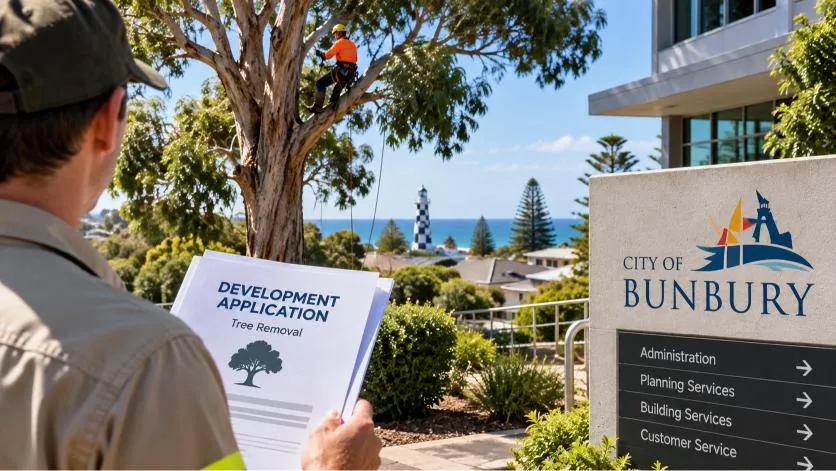
Approval depends on where the tree stands, its protection status, and the scope of work. We check the relevant City of Bunbury requirements before starting major pruning or removal work.

Trees on a verge, street reserve, park, or other public land are generally managed by the City. Residents should not prune these trees themselves, as unsuitable cuts can create safety risks and spread disease.

We also recommend checking approval requirements where pruning forms part of a building, driveway, or development project. Development approval and tree-related permissions can involve separate processes.

Do not assume that a tree on your property can be removed or heavily lopped without checks. Local rules may protect certain trees or vegetation, and unauthorised work can lead to enforcement action or fines.

At Bunbury Tree Removal Services, we can assess the tree, explain the practical work required, and help you identify the approvals or notifications worth confirming before pruning begins.

How it works

How Does Our Tree Lopping Process Work?

We assess the tree, plan safe access, define the required work, and remove selected growth in controlled stages. Our process also includes waste handling and a final check of the work area.

  1. 01

    Initial Tree Assessment

    We inspect the tree from the ground and, where needed, from elevated access points. We identify dead, damaged, crossing, overextended, or poorly attached branches that may require removal or reduction.

    Our team checks the tree’s species, height, canopy spread, trunk condition, nearby structures, overhead services, fences, driveways, and access routes. These details determine whether we can use climbing equipment, an elevated work platform, or ground-based cutting methods.

    We also look for signs of decay, pest damage, cavities, split unions, and unstable limbs. If extensive removal would harm the tree or fail to address a structural problem, we explain the practical alternatives, which may include targeted pruning, cabling advice, or tree removal.

    We avoid indiscriminate topping. Instead, we use selective cuts that reduce risk while retaining appropriate canopy structure where possible.

  2. 02

    Site Safety Planning

    Before work starts, we establish a controlled work zone around the tree. We identify where branches can be lowered, where equipment will operate, and which areas must remain clear.

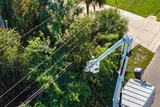
    We account for hazards such as powerlines, roads, pedestrian access, pools, roofs, sheds, and neighbouring properties. Trees near electrical infrastructure require appropriate clearances and may need coordination with the relevant utility provider before work proceeds.

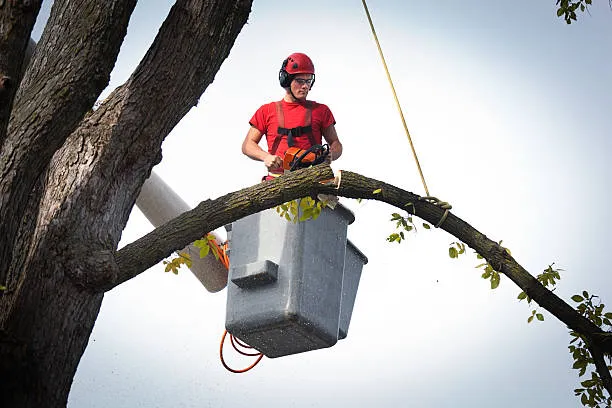
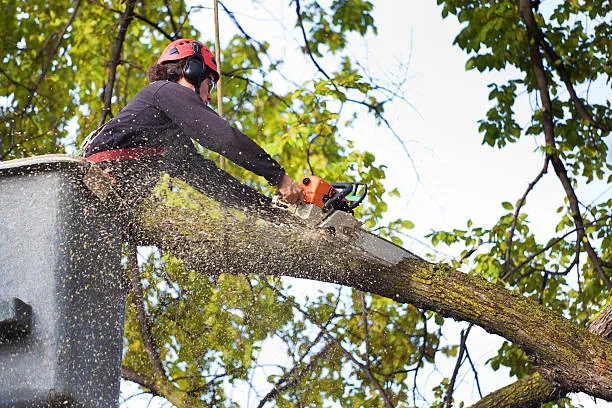
    Our crew uses suitable personal protective equipment, including helmets, eye protection, hearing protection, gloves, chainsaw protective clothing, and high-visibility garments. We also inspect ropes, rigging equipment, chainsaws, chippers, and access equipment before use.

    Where branches could fall near public or shared areas, we use spotters, barriers, and temporary access controls. We do not begin cutting until the drop zone and communication procedures are clear.

  3. 03

    Clear Scope And Quote

    We provide a written scope that states what we will cut, retain, remove, and process. This helps prevent confusion about whether the work involves canopy reduction, deadwood removal, branch clearance, palm frond removal, or complete branch disposal.

    Our quote considers factors that directly affect the work, including:

    • Tree size and branch diameter
    • Climbing or elevated-platform access
    • Proximity to buildings and services
    • Rigging requirements
    • Number of crew members needed
    • Green waste removal, mulching, or stump work

    We explain any limits on the work before starting. For example, a branch may require staged lowering rather than free-falling because it extends over a roof, fence, or garden bed.

    If site conditions differ significantly from the original inspection, we discuss the change with you before undertaking additional work. We keep the scope focused on the agreed tree-lopping requirements.

  4. 04

    Controlled Branch Removal

    We remove branches in manageable sections rather than cutting large limbs without control. This approach reduces the chance of damage to lawns, gardens, roofs, fences, and nearby structures.

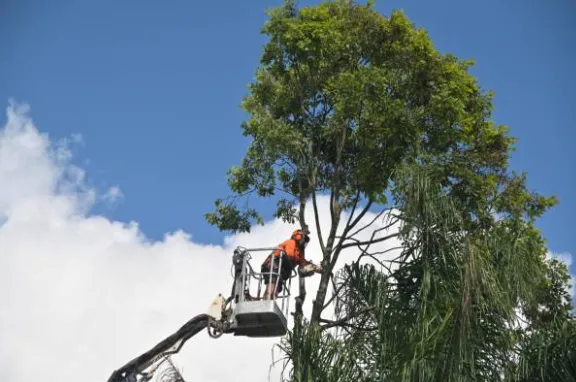
    For branches above sensitive areas, we use ropes, friction devices, and controlled lowering techniques. A crew member manages the branch from the ground while the arborist or climber makes planned cuts from a stable work position.

    We start with smaller outer growth where appropriate, then work back toward larger limbs. Each cut follows the branch structure to avoid unnecessary tearing and to support sound wound closure.

    We use reduction cuts to shorten overextended branches back to a suitable lateral branch. This differs from leaving bare stubs, which can decay and encourage weak regrowth.

    Throughout the work, we monitor wind, branch movement, rope angles, and changing weight distribution within the canopy.

  5. 05

    Green Waste Processing

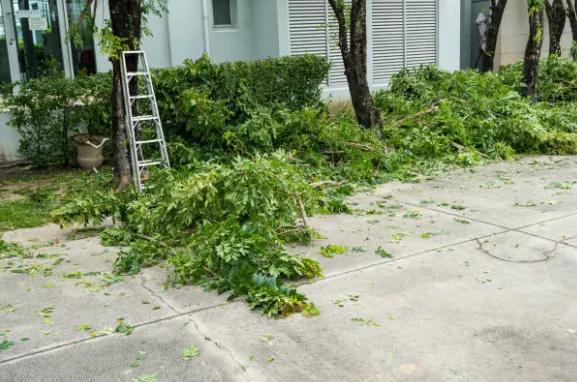
    We collect cut branches, foliage, and timber as the work progresses. Keeping the site clear helps maintain safe footing and prevents debris from blocking driveways, gates, or pedestrian paths.

    Depending on the agreed service, we can process green waste in several ways:

    MaterialProcessing option
    Small branches and foliageChipped into mulch
    Larger timber sectionsRemoved from site or cut into manageable lengths
    MulchLeft on site for garden use if requested
    General green wasteLoaded and removed for appropriate disposal

    We position chippers and vehicles to minimise disruption while allowing safe feeding and loading. We do not feed contaminated material, such as wire, stones, plastic, or treated timber, into chipping equipment.

    If you want mulch retained, we place it in an accessible area agreed before work begins. Fresh mulch can suit paths and garden beds, but we keep it clear of tree trunks and building walls.

  6. 06

    Final Site Inspection

    After completing the cuts and waste processing, we inspect the tree and surrounding area. We check that the agreed branches have been removed or reduced and that no damaged, hanging, or unstable material remains.

    We review the canopy from multiple angles to confirm that the work has not left avoidable stubs, unbalanced weight, or obvious clearance issues. Where seasonal growth may affect clearances again, we can advise on practical maintenance intervals.

    Our crew rakes and blows down accessible work areas, collects loose debris, and checks lawns, garden beds, paths, driveways, and nearby surfaces. We remove temporary barriers and equipment only after the site is clear.

    Before leaving, we confirm the completed scope with you and identify any tree-care observations that may need future attention.

Reviews

What People Say About Us

Questions

Frequently Asked Questions

Can’t see your question? Call the team for a free quote.

Call 0428 435 318

What tree lopping services do you provide in Bunbury?

We provide tree lopping for overextended, dead, damaged, or obstructive branches. Our work includes canopy reduction, branch removal, clearance pruning around roofs and driveways, and removal of limbs near powerlines where safe access permits.

We also provide tree pruning, complete tree removal, stump grinding, onsite mulching, and green-waste removal. We assess the tree’s condition before recommending lopping, pruning, or removal.

How much does tree lopping cost in Bunbury?

Tree lopping costs depend on the tree’s height, canopy size, condition, access, and the amount of material we need to remove. Work near buildings, fences, powerlines, or tight access areas may require additional equipment and time.

We provide a quote after inspecting the site or reviewing clear photos where suitable. The quote identifies the agreed scope of work and whether it includes waste removal, mulching, or stump services.

Do you provide free quotes for tree lopping work?

Yes, we provide free quotes for tree lopping work in Bunbury. We assess the tree, access conditions, nearby structures, and your required outcome before pricing the job.

Contact us with the property address, photos of the tree, and details about any access restrictions. We can then arrange an assessment where needed.

Are your tree loppers fully insured and qualified?

We use qualified tree-care personnel and follow safe work practices for each job. Our team uses appropriate equipment and assesses hazards before cutting begins.

We maintain insurance for our tree work. Ask us for relevant insurance and qualification details when requesting your quote.

Can you remove dangerous or storm-damaged trees safely?

Yes, we can assess and remove dangerous or storm-damaged trees and branches. We identify unstable limbs, split trunks, hanging branches, root movement, and risks to buildings, vehicles, and access areas.

For urgent hazards, keep people away from the affected area and contact us promptly. If a tree has contacted powerlines, stay clear and contact the electricity provider or emergency services as required.

Do you remove and dispose of branches and green waste after lopping?

Yes, we can remove branches, logs, leaves, and other green waste created during tree lopping. We leave the work area tidy after completing the agreed scope.

We can also mulch suitable branches onsite for use in garden beds. Let us know if you would like to keep firewood, logs, or mulch on your property.

Call 0428 435 318