Skip to content
Bunbury Tree Removal Services

Bunbury WA

Tree Felling Services in Bunbury for Residential & Commercial

Tree felling in Bunbury is one of our core services at Bunbury Tree Removal Services, backed by more than 20 years of tree work experience. We provide large tree felling, controlled tree felling, sectional tree felling, difficult-access tree felling, dead tree felling and storm-damaged tree felling for residential and commercial properties throughout Bunbury and surrounding areas.

We assess each tree’s size, condition, lean and location before selecting the appropriate felling method and equipment. Careful consideration is given to nearby homes, buildings, fences, driveways and surrounding property. This page explains our tree felling services and process, pricing factors, council considerations, when a tree can be felled in one piece, and the difference between tree felling and complete tree removal.

Need a tree safely felled? Get a fast, free tree felling quote in Bunbury today.

Get a free quote

Or call 0428 435 318

Why choose us

Why Choose Us for Tree Felling in Bunbury?

  1. 20+ Years Experience

    Over 20 years of experience providing reliable tree removal, lopping and pruning services throughout Bunbury WA.

  2. Fully Insured

    Our fully insured tree removal services give Bunbury homeowners and businesses confidence that their property is protected throughout the job.

  3. Qualified Professionals

    Our qualified arborists and tree specialists use professional equipment and proven techniques to safely manage everything from routine pruning to large and difficult tree removals.

  4. Fast Free Quotes

    Get a fast, free tree removal quote in Bunbury with straightforward pricing, practical advice and no hidden surprises.

Services

Our Tree Felling Services

Large Tree Felling

Large trees require careful planning because their height, weight, and branch spread can affect roofs, fences, driveways, gardens, and underground services. Before work begins, we assess the tree’s condition, lean, surrounding hazards, and available drop zone.

We use appropriate rigging, climbing, and cutting techniques to control the movement of branches and trunk sections. Where space allows, we may fell the tree into a suitable clearance area. In restricted locations, we lower sections progressively to reduce impact on the property.

Our service can include branch removal, trunk cutting, debris clearing, stump grinding, and timber or mulch management. We confirm the work scope and site requirements before starting.
Controlled Tree Felling

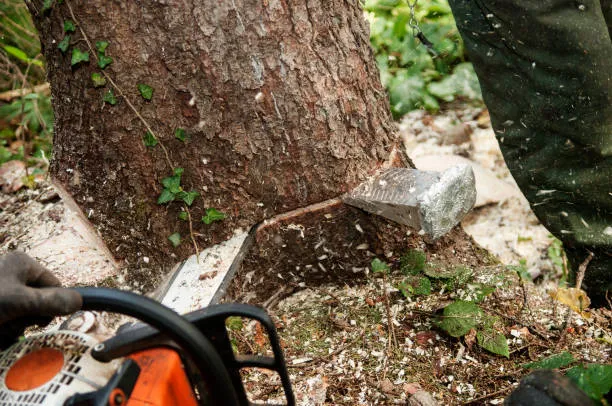
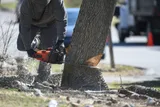
Controlled felling suits trees where a direct fall is possible but requires precise direction and preparation. We inspect the tree and surrounding area, identify hazards, and establish an exclusion zone before cutting.

We consider the tree’s natural lean, wind conditions, trunk structure, root stability, and the location of buildings, vehicles, fences, and utility lines. We then use suitable face cuts, back cuts, ropes, wedges, or other equipment to guide the fall.

We do not treat controlled felling as a simple cut-and-drop task. If the available landing area does not provide adequate clearance, we recommend a different method, such as sectional removal or mechanical assistance.

Sectional Tree Felling

Sectional tree felling allows us to remove a tree piece by piece when there is not enough room for the whole tree to fall safely. This method commonly suits trees beside houses, sheds, pools, roads, fences, gardens, and other structures.

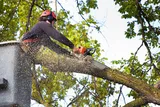
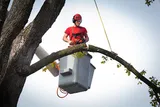
We climb the tree or use suitable access equipment, then cut and lower branches and trunk sections under controlled conditions. Ropes, lowering systems, and rigging equipment help us manage the weight and direction of each piece.

The work may take longer than open-area felling because every section needs careful handling. We protect accessible surfaces where practical and plan the removal route before cutting. We can also process resulting branches into mulch or arrange removal of unwanted timber.

Difficult Access Tree Felling

Limited access can affect equipment selection, crew movement, material handling, and removal costs. Narrow driveways, steep blocks, retaining walls, wetlands, locked gates, overhead services, and surrounding properties may prevent trucks or elevated equipment from reaching the tree.

We assess access before quoting and identify how personnel, tools, branches, and trunk sections will move through the site. Depending on the conditions, we may use climbing methods, smaller equipment, controlled lowering, or manual handling.

Customers should tell us about restricted gates, shared driveways, underground services, pets, tenants, and access restrictions before work begins. We may need clear pathways, temporary vehicle access, or coordination with neighbours to complete the job safely.

Dead Tree Felling

Dead trees can have brittle branches, weakened trunks, loose bark, and unstable root systems. These conditions can make them less predictable than healthy trees, particularly after prolonged dry weather, disease, insect damage, or root disturbance.

We inspect visible defects and assess the tree’s lean, attachment points, decay, and surrounding targets. We then choose a removal method that limits unnecessary climbing, impact, and movement of unstable sections.

If the tree presents an immediate risk, we may recommend urgent removal or temporary controls while the work is arranged. We also check nearby trees where practical because dead limbs or related damage can create additional hazards. Stump removal or grinding remains a separate service that we can discuss with the felling quote.

Storm-Damaged Tree Felling

Storms can split trunks, break major limbs, expose roots, and leave trees leaning toward buildings or access areas. Hanging branches and partially attached sections may remain unstable after the weather clears.

We first assess whether the area can be entered safely and establish a controlled work zone. We remove immediate hazards using a method suited to the damage, which may include sectional dismantling, rigging, or removal of the affected tree.

Customers should keep people, vehicles, and pets away from damaged trees and avoid standing beneath broken branches. If powerlines are involved, we keep clear and advise contacting the relevant electricity provider or emergency service before our team approaches the area. We can then address accessible tree hazards once the site is safe.

Tree Felling Costs in Bunbury

Tree felling costs in Bunbury depend on the tree’s size, species, condition, location and access. We also assess nearby buildings, fences, powerlines, roads and other hazards before preparing a quote.

Cost factorWhy it affects pricing
Tree size and heightLarger trees require more equipment, labour and time
Access to the siteTight or restricted areas may require sectional dismantling
Tree conditionDead, unstable or damaged trees can involve additional safety controls
Obstacles and hazardsStructures, vehicles and powerlines require careful planning
Stump and debris removalGrinding the stump, removing timber or supplying mulch adds to the service

We provide a site-specific quote rather than relying on a standard hourly rate. Our assessment covers the proposed felling method, equipment requirements, waste handling and any traffic or safety controls needed for the property.

Stump grinding, timber removal and onsite mulching may be quoted separately from the tree felling work. We explain each included service and any additional cost before starting, so you can compare the options clearly.

Emergency work may cost more when urgent attendance, difficult conditions or additional safety measures are required. We recommend arranging an inspection with Bunbury Tree Removal Services to confirm the scope and receive an accurate price for your Bunbury property.

Bunbury tree removal approval

Council Approval For Tree Felling In Bunbury

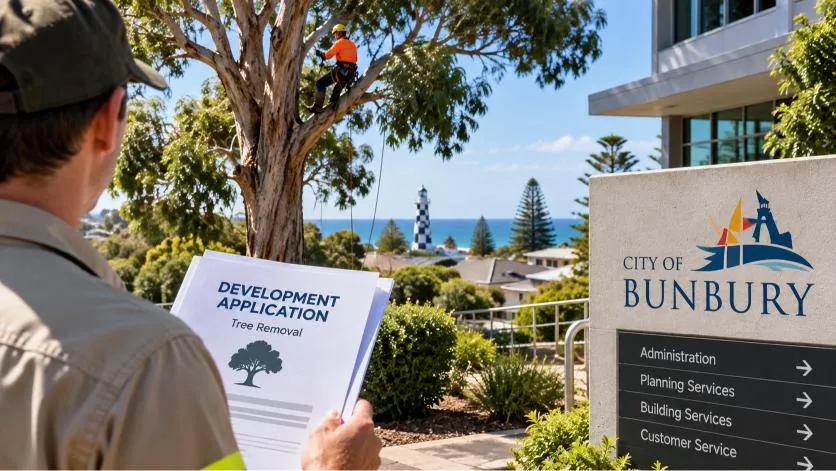
Before we fell a tree, we check whether the property falls under City of Bunbury planning controls, heritage requirements, or local design guidelines. Approval requirements can vary by location, tree type, and the proposed work.

A tree on private land may require council approval if it has heritage significance, forms part of a protected landscape, or sits within an area covered by specific planning controls. Development approval may also apply where tree removal forms part of broader building or site-development work.

SituationWhat we recommend
Tree near a building or development siteConfirm planning and building requirements
Heritage-listed property or treeContact the City of Bunbury before work begins
Tree in a design-guideline areaCheck the applicable approval conditions
Immediate safety riskContact the council and an arborist promptly

We can help identify factors that may affect the application and explain the information the council may request, such as photographs, the tree’s location, its condition, and the reason for removal. We do not begin regulated work until the required approval is confirmed.

Council services and planning guidance are available through the City of Bunbury. When approval is uncertain, we recommend contacting the council directly or obtaining advice from a qualified arborist before arranging tree felling.

Felling Large Trees Near Houses

Large trees near homes require careful planning, controlled cutting, and suitable equipment. At Bunbury Tree Removal Services, we assess the tree’s size, condition, lean, branch structure, nearby buildings, fences, powerlines, access points, and ground conditions before starting work.

We use a step-by-step removal method to limit the risk of damage. Depending on the site, this may involve:

  • Removing branches in manageable sections
  • Using ropes to lower limbs safely
  • Dismantling the trunk progressively
  • Protecting roofs, gardens, driveways, and other structures
  • Coordinating equipment and ground staff around the work zone

Restricted access or limited drop space may require sectional dismantling rather than conventional felling. We also consider local hazards, including unstable limbs, decay, tight property boundaries, and overhead services. We do not approach powerlines without appropriate controls and clearance arrangements.

After removing the tree, we can arrange stump grinding, debris removal, and onsite mulching where suitable. We discuss the work method, access requirements, and expected site condition before proceeding, helping property owners understand how we will manage the job.

Tree Felling Vs Tree Removal

We use tree felling to describe cutting a tree down, usually in one controlled operation. This method suits open sites where the tree can fall safely without damaging buildings, fences, gardens, vehicles, or utility lines.

Tree removal covers the complete process of taking the tree away. Depending on the site, we may dismantle the tree in sections, remove the branches and trunk, clear fallen material, and grind or remove the remaining stump.

ServiceWhat it involvesSuitable for
Tree fellingCutting the tree down in a planned directionOpen areas with sufficient clearance
Tree removalDismantling, lowering, clearing, and optional stump workConfined or high-risk locations

When space is limited, we usually remove the tree piece by piece using climbing equipment, ropes, and specialised machinery. This approach helps protect nearby structures and gives us better control around homes, sheds, roads, and power lines.

Our team at Bunbury Tree Removal Services assesses the tree, surrounding hazards, access, and ground conditions before recommending either method. We can also discuss stump grinding, stump removal, onsite mulching, and debris disposal as part of the work.

How it works

Our Tree Felling Process

  1. 01

    Site Inspection & Risk Assessment

    We begin with an onsite assessment of the tree, including its size, condition, lean and surrounding environment. We also check buildings, fences, driveways, overhead services, ground conditions, access points and other potential hazards.

  2. 02

    Plan the Felling Method

    We select the safest and most practical method based on the tree and available working space. This may involve directional felling, sectional dismantling, ropes, rigging, lowering equipment or specialised machinery for larger or difficult-access trees.

  3. 03

    Prepare & Secure the Work Area

    Before cutting begins, we establish a controlled work zone and clear people, vehicles and movable obstacles from the area. We also take precautions around gardens, neighbouring properties and structures that need protection during the work.

  4. 04

    Fell or Dismantle the Tree

    Where sufficient space is available, the tree may be felled in a carefully planned direction. For confined sites, we can progressively remove branches, canopy and trunk sections, controlling larger sections as they are lowered to the ground.

  5. 05

    Process Timber & Green Waste

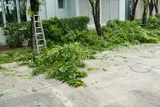
    Once the tree is down, branches and timber are cut and processed as agreed. Green waste can be chipped and removed, while suitable mulch or firewood can be retained onsite if requested.

  6. 06

    Stump Options, Clean-Up & Final Inspection

    After felling, we remove agreed debris and complete a final inspection and clean-up of the work area. Stump grinding or removal can also be arranged, along with additional pruning or other tree work identified during the job.

Questions

Tree Felling Frequently Asked Questions

Can’t see your question? Call the team for a free quote.

Call 0428 435 318

Do I Need Council Approval to Remove a Tree in Bunbury?

Possibly. In the City of Bunbury, some trees may be protected by planning controls or a Tree Preservation Order. Additional rules can also apply to native vegetation, particularly near wetlands, waterways and bushland.

If you're outside the City of Bunbury in areas such as Capel, Dardanup or Harvey, different council requirements may apply. It’s best to check with your local council before removing a significant or native tree.

How much does professional tree removal cost in Bunbury?

The price depends on the tree’s size, condition, location, access, cutting method, equipment requirements, and disposal needs. Removal near buildings, fences, roads, or powerlines usually requires additional planning and controlled dismantling.

We provide a site-based quote after assessing the tree and surrounding area. Our quote can include removal, branch chipping, timber handling, and optional stump grinding.

Can you remove large or dangerous trees near homes and powerlines?

Yes. We can plan controlled removal for large, unstable, or damaged trees near buildings, fences, vehicles, and service lines. We assess the fall zone, available access, tree condition, and nearby hazards before selecting suitable equipment and methods.

Powerline work requires strict safety controls. We coordinate with the relevant network operator when electrical infrastructure affects the job and do not work on live powerlines.

Do you provide stump grinding after a tree has been removed?

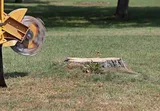
Yes. We provide stump grinding as an additional service after tree removal. Grinding reduces the visible stump below ground level and helps prepare the area for replanting, landscaping, or access improvements.

We confirm the stump’s location, size, and access requirements before including the work in our quote. Underground services must remain identified before grinding begins.

What happens to the branches and green waste after tree removal?

We can chip suitable branches on site and remove the resulting green waste when requested. Larger timber may be cut into manageable sections, removed from the property, or retained for firewood where appropriate.

Our quote specifies whether waste removal is included. We leave the work area tidy after completing the agreed services.

Do you offer emergency tree removal services in Bunbury and surrounding areas?

Yes. We respond to urgent tree hazards such as storm-damaged branches, fallen trees, blocked driveways, and trees threatening buildings or access routes. We first make the area safe and assess risks before carrying out removal or temporary stabilisation.

Call us with the property location, the tree’s condition, and any immediate hazards. If powerlines are involved, keep people away from the area and contact the electricity network operator or emergency services as appropriate.

Call 0428 435 318