Skip to content
Bunbury Tree Removal Services

Bunbury WA

Emergency Tree Removal in Bunbury, WA for Residential and Commercial

Emergency tree removal in Bunbury is one of our core services at Bunbury Tree Removal Services, backed by more than 20 years of tree work experience. We provide storm-damaged tree removal, fallen tree removal, dangerous tree removal, emergency branch and limb removal, high-wind tree damage services and emergency tree clearance for residential and commercial properties throughout Bunbury and surrounding areas.

Bunbury’s strong coastal winds, winter storms and saturated ground conditions can cause trees and large branches to split, fall or become unstable with little warning. We assess the immediate hazard, tree condition and surrounding property before determining the safest removal method, with particular care around homes, roofs, vehicles, fences, driveways and access areas.

Have a fallen or dangerous tree? Call 0428 435 318 for emergency tree removal in Bunbury.

Get a free quote

Or call 0428 435 318

Why choose us

Why Choose Us for Emergency Tree Removal in Bunbury

  1. 20+ Years Experience

    Over 20 years of experience providing reliable tree removal, lopping and pruning services throughout Bunbury WA.

  2. Fully Insured

    Our fully insured tree removal services give Bunbury homeowners and businesses confidence that their property is protected throughout the job.

  3. Qualified Professionals

    Our qualified arborists and tree specialists use professional equipment and proven techniques to safely manage everything from routine pruning to large and difficult tree removals.

  4. Fast Free Quotes

    Get a fast, free tree removal quote in Bunbury with straightforward pricing, practical advice and no hidden surprises.

Services

Our Emergency Tree Removal Services

Storm-Damaged Tree Removal

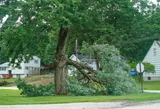
Storm damage can leave trees split, uprooted, or supported only by nearby branches and structures. We inspect the trunk, major limbs, root plate, and surrounding area before choosing a removal method.

We use controlled dismantling where a tree stands near homes, sheds, fences, vehicles, roads, or power lines. Our team can section larger trees into manageable pieces, lower timber where required, and remove accessible debris from the work area.

Storm-damaged trees may remain unstable after the weather clears. We recommend keeping people and pets away from the area until we complete an assessment. We also identify hanging branches and damaged limbs that could fall during later wind or rain.
Fallen Tree Removal

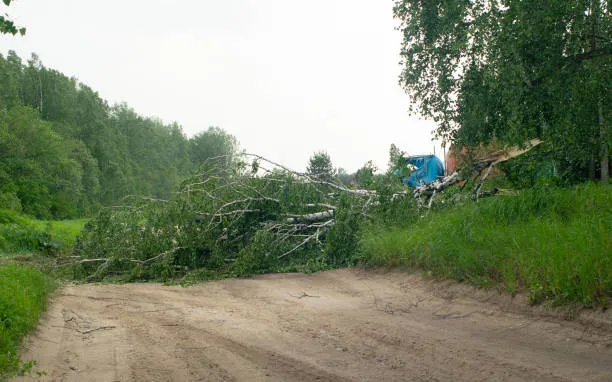
A fallen tree can block driveways, roads, paths, gates, and building entrances. It may also place pressure on fences, roofs, vehicles, or utility infrastructure. We secure the work zone and determine whether the tree still carries tension before cutting.

Our removal process may include cutting the trunk into sections, removing branches, clearing access routes, and stacking or taking away timber where requested. We work around gardens, retaining walls, irrigation systems, and other features that could suffer damage during handling.

If the tree has fallen onto power lines, we do not approach it. We advise customers to contact the relevant electricity network or emergency authority first, because electrical hazards require specialist control before tree work begins.

Dangerous Tree Removal

Some trees become dangerous because of decay, trunk cracks, root failure, severe lean, deadwood, or damage from insects and disease. We inspect visible defects and the tree’s location to determine whether removal or targeted pruning provides the safer option.

We pay particular attention to trees near occupied buildings, play areas, roads, footpaths, and boundary fences. Where space is restricted, we dismantle the tree in controlled sections rather than allowing branches or trunk sections to fall freely.

Customers should avoid standing beneath a tree with large dead branches, fresh cracks, exposed roots, or movement at the base. We can discuss the urgency of the work, access requirements, debris removal, and any council or property considerations that may apply.

Emergency Branch & Limb Removal

Broken branches can remain suspended in the canopy or rest against roofs, fences, vehicles, and other trees. Even a partly attached limb can move without warning, particularly during wind. We assess the branch’s attachment point, weight, direction of movement, and the potential drop zone.

We remove hazardous limbs using suitable cutting and lowering techniques. We take care around gutters, solar panels, windows, garden structures, and narrow access areas, where uncontrolled branch movement could cause additional damage.

We can also address smaller storm-related branches that block entrances or create hazards along paths and driveways. Customers should not attempt to pull down or cut hanging limbs themselves, especially when ladders, roofs, or power lines are involved.

Trees Damaged by High Winds

High winds can expose weaknesses that were not visible during routine conditions. Trees may develop split unions, broken tops, lifted roots, or new movement in the trunk. We inspect the whole tree rather than focusing only on the most obvious broken branch.

Our response may involve removing failed limbs, reducing specific sections, supporting access for another contractor, or dismantling the entire tree. We select equipment and cutting methods according to the tree’s size, condition, nearby structures, and available working space.

We also check surrounding trees for broken branches and unstable sections. If wind damage affects a property boundary or shared tree, we can explain the visible hazards and identify the work area that requires attention.

Emergency Tree Clearance

Emergency clearance restores safe access after trees, branches, and storm debris obstruct driveways, roads, paths, gates, or work areas. We separate urgent access work from full tree removal when that approach allows people or vehicles to move safely sooner.

Our clearance service can include cutting timber into sections, removing branches, clearing entry points, and placing debris for disposal or later collection. We work carefully around fences, drainage channels, retaining walls, gardens, and underground services that may be hidden beneath debris.

Before beginning, we identify hazards such as unstable trees, damaged structures, exposed roots, and possible electrical contact. We may need to leave certain areas untouched until the relevant utility provider, emergency service, or property owner makes them safe.

What Is Considered an Emergency Tree Removal?

An emergency tree removal is required when a tree or large branch creates an immediate risk to people, buildings, vehicles, power lines, roads, or other property. We assess the situation and determine whether removal, partial removal, or temporary stabilisation offers the safest response.

Common emergency situations include:

  • A storm-damaged or split tree that may fall
  • A tree resting against a house, shed, fence, or vehicle
  • Large branches blocking roads, driveways, or access points
  • Trees interfering with electrical or communication lines
  • Uprooted trees with exposed or unstable root systems
  • Dead or severely damaged trees posing an immediate fall risk

We treat trees near power lines as hazardous work. Contact the relevant electricity provider before approaching the area, and keep people and pets away until the site is safe.

Not every damaged tree requires immediate removal. We inspect the tree’s condition, lean, root stability, surrounding hazards, and potential impact zone before recommending the appropriate service. Our Bunbury team can arrange urgent tree removal, dangerous branch removal, and storm-related cleanup when conditions allow safe access.

How Quickly Can an Emergency Tree Be Removed?

We respond as quickly as conditions allow when a fallen, damaged, or unstable tree threatens people, buildings, vehicles, or access routes in Bunbury. Response times depend on crew availability, weather, traffic, tree size, and the level of risk at the site.

SituationTypical priority
Tree blocking a driveway or roadUrgent access clearing
Branches or a tree affecting power linesUtility coordination may be required
Tree on a roof or near a structureHigh-risk assessment and controlled removal
Fallen tree in an open areaRemoval scheduled according to site conditions

Our arborists first secure the area, assess hazards, and plan the safest removal method. We may need to section the tree into smaller pieces, use specialised equipment, or coordinate with Western Power if electrical lines are involved.

We can often remove smaller obstructions during the initial visit. Larger trees, restricted access, unstable ground, storm damage, or damaged structures may require additional equipment and more time. We provide a clear timeframe after inspecting the site and identifying the work required.

For immediate assistance, keep people and pets away from the tree and avoid touching branches near power lines. Contact Bunbury Tree Removal Services so we can assess the hazard and arrange the appropriate emergency response.

What Should I Do if a Tree Falls During a Storm in Bunbury?

If a tree falls during a storm, we recommend keeping everyone away from the area. Watch for unstable branches, damaged buildings, blocked roads, and fallen power lines. Never touch a fallen wire or any tree in contact with it. Call emergency services or Western Power if an immediate electrical or public safety risk exists.

Move people and pets indoors or to a safe location, provided you can do so without passing through hazards. Avoid using chainsaws or attempting to remove large branches yourself, particularly when the tree remains unstable or could affect nearby structures.

Once the area is safe, photograph the damage from a distance for your insurer. Do not disturb the site more than necessary until you confirm whether your insurance provider requires an assessment.

We can arrange an urgent inspection and removal service through Bunbury Tree Removal Services. Our team can assess fallen trees, hanging limbs, blocked accessways, and storm-related risks, then recommend safe steps for removal and cleanup.

SituationRecommended action
Fallen power lineStay away and contact Western Power
Tree blocking a public roadContact emergency services or the local authority
Damage to your propertyContact your insurer and request an arborist assessment
Tree on private landKeep clear and arrange professional removal

What Should I Do if a Fallen Tree Is Touching Powerlines?

Treat a fallen tree touching powerlines as an electrical emergency. Do not approach, touch, cut, or move the tree, branches, fence, vehicle, or other objects near the lines. Assume the wires remain live, even if the power appears to be off.

Move away on foot and keep everyone, including children and pets, at least 8 metres away. If the ground may be energised, shuffle with small steps while keeping your feet together. Do not re-enter the area until emergency services or the electricity network operator confirms it is safe.

SituationAction
Live or fallen powerlines are presentCall 000 and report the danger
A tree or branch contacts the linesContact the electricity distributor immediately
The site is safe and no immediate danger existsCall Bunbury Tree Removal Services for professional assessment

When calling, provide the exact location, nearby landmarks, and details about blocked roads, damaged property, injuries, sparks, or fire. Avoid driving over or parking near fallen lines.

We coordinate with the relevant utility provider before starting work near electrical infrastructure. Our team can assess the tree and arrange safe removal after the lines have been isolated and the site has been authorised for tree work.

How it works

How Does Our Emergency Tree Removal Process Work?

  1. 01

    Initial Emergency Assessment

    When you contact us, we ask about the tree’s location, damage, surrounding structures, access and any nearby powerlines. This helps us understand the urgency of the situation and determine what equipment may be required.

  2. 02

    Inspect the Tree & Identify Hazards

    On arrival, we assess the damaged tree, trunk, branches and surrounding property. We identify hazards such as hanging limbs, split trunks, unstable trees, blocked access and electrical risks before work begins.

  3. 03

    Secure the Work Area

    We establish a controlled work zone and keep people, vehicles and unnecessary traffic away from the hazard. If the tree is touching or close to fallen powerlines, the area must remain clear until the electrical hazard has been made safe by the relevant network operator.

  4. 04

    Remove Dangerous Branches & Tree Sections

    We remove unstable branches and damaged sections in a planned sequence to reduce the risk of further damage. Depending on the situation, this may involve climbing, rigging, sectional dismantling or specialised access equipment.

  5. 05

    Clear the Fallen Tree & Debris

    Once the immediate hazards are controlled, we cut larger trunk and branch sections into manageable pieces. Agreed branches, timber and green waste are then cleared from driveways, access areas and other parts of the property.

  6. 06

    Final Safety Check & Clean-Up

    We inspect the area for remaining hazards and complete the agreed site clean-up. If required, we can also discuss stump grinding, additional tree work or removal of other storm-damaged branches identified during the job.

Reviews

Questions

Emergency Tree Removal Frequently Asked Questions

Can’t see your question? Call the team for a free quote.

Call 0428 435 318

What qualifies as an emergency tree removal situation?

An emergency may involve a fallen or unstable tree that threatens people, buildings, vehicles, fences, roads, or access points. Large broken limbs, storm damage, a split trunk, exposed roots, or a tree leaning toward a structure may also require urgent attention.

We first recommend keeping people away from the affected area. If a tree contacts power lines, treat the lines as live and contact the electricity distributor or emergency services before approaching the site.

How quickly can an emergency tree removal crew attend my property in Bunbury?

Our response time depends on the hazard, weather conditions, access, crew availability, and the number of active emergency jobs. We prioritise situations that present an immediate risk to people or occupied buildings.

When you contact us, provide the property address, photographs if safe to take, details of nearby structures, and information about power lines or blocked access. These details help us assess the situation and plan suitable equipment.

How much does emergency tree removal cost?

The cost depends on the tree’s size, condition, location, access, equipment requirements, cutting complexity, and the amount of debris to remove. Work involving roofs, confined spaces, traffic areas, or power lines may require additional planning and equipment.

We aim to inspect the site or review clear photographs before confirming the scope and price. We can also discuss separate charges for stump grinding, wood removal, mulching, or additional cleanup.

Can you remove a tree that has fallen on a house, fence, or power line?

We can assess fallen trees affecting houses, fences, vehicles, and other structures, then establish a safe removal plan. We may need to coordinate with builders, insurers, traffic authorities, or other contractors where structural damage has occurred.

We do not handle live electrical infrastructure directly. If a tree or branch has contacted a power line, keep clear, avoid touching the tree or surrounding ground, and contact the electricity distributor; we can attend once the area has been made safe.

Do I need council approval for emergency tree removal in Bunbury?

Approval requirements can depend on the tree’s location, species, size, heritage status, local planning controls, and the reason for removal. Emergency work may receive different treatment when a tree poses an immediate safety risk, but this does not automatically remove every approval or documentation requirement.

We recommend checking with the City of Bunbury or the relevant local government authority before removing a standing tree where it is safe to wait. We can record the tree’s condition and provide information that may support an approval or insurance claim.

Is emergency tree removal available after hours and on weekends?

We accept emergency enquiries outside standard business hours and assess after-hours and weekend requests according to availability, site risk, and weather conditions. Immediate hazards receive priority, while non-urgent pruning or routine removals may be scheduled during normal operating hours.

For a faster assessment, provide the address, your contact number, photographs taken from a safe distance, and details of any damage or access restrictions.

Call 0428 435 318